ATMs in Germany: Fees, Locations, & Smart Withdrawal Tips
Navigate German ATMs with ease. Learn where to find cash machines, understand withdrawal fees for foreign cards, and discover smart tips to avoid extra costs, especially for…

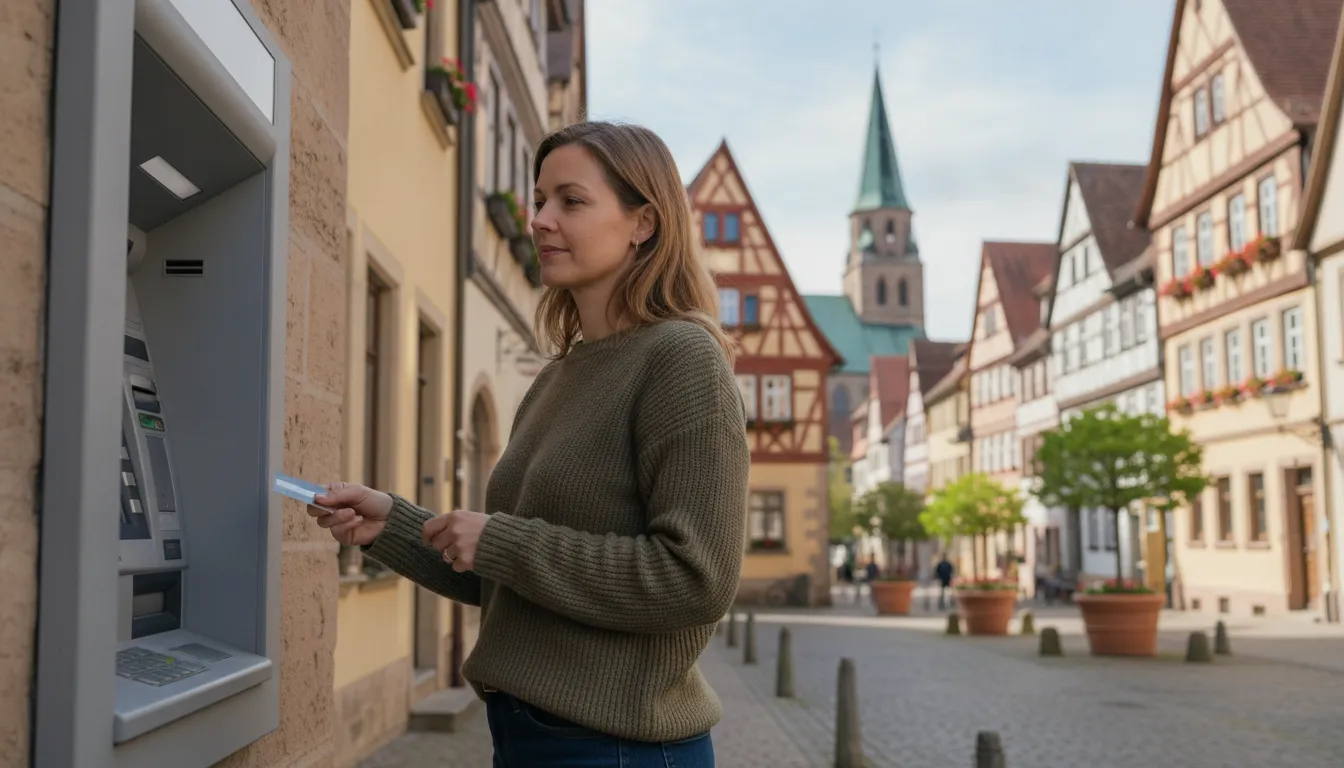
TL;DR: If you’re managing life across borders, finding ATMs in Germany is usually easy, with around 73 cash machines available for every 100,000 adults. Expect to pay between €0 and €7.50 per withdrawal for foreign cards. To avoid extra costs, always choose to be charged in euros (EUR) at the ATM.
Imagine you’re splitting your time between Germany and another country, perhaps managing your finances or keeping your home phone number active while abroad. While digital payments are growing, Germany still relies heavily on cash, especially for smaller purchases in local shops, cafes, or market stalls. This means you’ll likely need to withdraw euros, and understanding how German ATMs work – from where to find them to how to avoid unexpected fees – is crucial for managing your money wisely across borders.
Where Can You Find Cash Machines in Germany?
You will typically find cash machines, known as ATMs, inside or just outside bank branches across Germany. Major airports also have plenty of them. However, you’ll see fewer ATMs in places like shopping centers or petrol stations.
Germany uses cash more often than many other European nations, so it’s a good idea to carry some euros with you. Smaller stores, coffee shops, and market vendors might only accept cash. Some places that do take cards might ask for a minimum spend, often around €20. Knowing this can help you plan your spending, especially if you’re used to a more card-centric payment culture. To learn more about payment habits, you can find useful comparisons for other regions like cash or card in Singapore.
Germany’s largest banks offer many cash machines and make them simple to locate using their online tools:
What Are ATMs Called in Germany?
In Germany, cash machines are usually called Geldautomat or Bankautomat.
Will Your Credit or Debit Card Work in German Cash Machines?
Most German ATMs accept cards from major global networks such as Visa and Mastercard. These are the most common card networks in many countries, including the UK and US. Before you travel or if you’re settling in Germany, it’s wise to check with your home bank about any charges for withdrawing cash overseas, as these can differ greatly.
Always look for your card network’s logo on the machine before you try to use it. You can also use online locator tools provided by card networks to find suitable ATMs:
What PINs Do German ATMs Accept?
German ATMs are set up to accept both 6-digit and 4-digit PINs. This means you should be able to use the same PIN you use back home, whether you’re from the UK or elsewhere. These machines typically work with chip and PIN cards, rather than older magnetic stripe cards.
What Are the Maximum Cash Withdrawal Limits at German ATMs?
The amount of money you can take out at a German ATM mostly depends on the rules set by your home bank or card provider. Generally, German ATMs allow withdrawals between €500 and €2,000 for each transaction. There isn’t usually a fixed limit on how many withdrawals you can make in one day, but your own bank might have daily limits. It’s always best to check with your bank before you plan large cash withdrawals, especially if you’re managing funds for longer stays abroad.
Should You Tell Your Bank Before You Travel?
It’s not always necessary to inform your bank before you travel internationally. However, if your bank has very strict fraud checks, telling them about your travel plans can be helpful. This is because an unusual withdrawal made in Germany could be flagged as suspicious and lead to a temporary block on your card. A quick call or update through your banking app can prevent any inconvenience, helping you avoid issues with your financial access while managing life across different countries.
What Are the Main ATM Fees in Germany?
When you withdraw cash from an ATM in Germany, there are three main types of costs you should consider. Understanding these helps you keep your expenses down, especially if you’re regularly moving money between countries:
- The exchange rate: How your money is converted from your home currency to euros.
- The ATM’s fees: Charges from the local bank or independent ATM operator.
- Your home bank’s charges: Fees from your own bank for international withdrawals.
The exchange rate can sometimes cost you as much, or even more, than the direct ATM fee. So, it’s important to look at the total cost, not just the fee that the cash machine shows you.
Exchange Rate Fees at ATMs in Germany (Dynamic Currency Conversion - DCC)
When using an ATM in a foreign country like Germany, the screen might ask if you want to complete the transaction in your home currency (e.g., GBP) or the local currency (EUR). Always choose EUR.
Picking your home currency (GBP) triggers something called Dynamic Currency Conversion (DCC). When this happens, the ATM applies its own exchange rate, which is usually much less favorable than the rate your own bank or card provider would give you. By declining this conversion and choosing to be charged in euros, you let your bank or card provider handle the currency exchange, which often means you get a better rate and avoid hidden fees.
Your Home Bank’s ATM Fees
Some banks charge fees for withdrawing cash overseas, even if using your card for purchases abroad is cheaper or free. These fees can vary, so it’s important to check what your bank charges for international cash withdrawals before you travel to Germany or before you move there. This knowledge is key for anyone managing their finances across different countries.
German Bank ATM Fees
ATMs belonging to the “Cash Group” – which includes major banks like Deutsche Bank, Commerzbank, HypoVereinsbank, and Postbank – are generally fee-free for their existing customers who have a German bank account. However, if you are visiting from another country, such as the UK, you might have to pay anywhere from €0 to €7.50 for each withdrawal.
Private ATMs, like those operated by Euronet or Travelex, do not belong to a specific bank. These machines should always clearly show any fees on the screen before you confirm your transaction. You can then decide if you want to proceed or find another ATM.
To make these costs clearer, here’s a quick comparison of potential ATM fees:
| ATM Type | Who it’s for | Typical Fee for Visitors (EUR) |
|---|---|---|
| Cash Group Bank ATMs (e.g., Deutsche Bank, Commerzbank) | German bank account holders | €0 |
| Cash Group Bank ATMs | Visitors with foreign cards | €0 - €7.50 |
| Private ATMs (e.g., Euronet, Travelex) | Anyone | Varies, usually higher |
The key takeaway is that for visitors using a foreign card, fees can range significantly, with major bank ATMs offering potentially lower or no fees compared to private operators, depending on agreements.
Can You Get Free Cash Withdrawals in Germany?
Yes, it’s sometimes possible to get cash withdrawals in Germany without paying extra fees. Your best bet is to start with ATMs located at major bank branches rather than standalone machines found in other locations. If your bank in your home country has a partnership with a German bank—for instance, some customers might find that their bank offers fee-free withdrawals at certain partner ATMs in Germany—you might be able to avoid local ATM fees. It’s always a good idea to check for such partnerships with your bank before you travel or move abroad.
Smart Tips for Avoiding ATM Fees in Germany
Avoiding fees when you withdraw cash is a great way to save money, especially for those who frequently travel or live between countries. Here are some key tips to help you manage your cash withdrawals in Germany without unnecessary costs:
Always Choose to Be Charged in the Local Currency
As mentioned earlier, some ATMs might offer you the “convenience” of being charged in your home currency. It’s crucial to always decline this option and instead choose to be charged in euros (EUR). This simple step helps you avoid hidden ATM mark-ups and ensures you get the best possible exchange rate, letting your own bank handle the conversion.
Use a Bank ATM, Not a Standalone Machine
Cash machines located inside or directly outside bank branches are generally your most reliable starting point. Third-party machines often display their own branding, such as Euronet or Travelex, instead of a bank name. These machines are more likely to charge fees and frequently prompt you with Dynamic Currency Conversion (DCC) options, which can lead to higher costs. If the fee shown on the screen seems higher than you expect, you always have the option to cancel the transaction and find another machine.
Avoid Airport ATMs
While airport ATMs are very convenient immediately after you arrive, they typically come with higher fees or less favorable exchange rates. Try to skip them unless you have absolutely no other choice and need cash urgently. Planning ahead can save you money here.
Check If Your Home Bank Has Partner Banks in Germany
Before you go to Germany, check with your bank to see if they have any agreements with German banks. If your bank partners with a bank in Germany, you might be able to benefit from lower or even no fees on your ATM withdrawals. This is a worthwhile check for anyone managing their finances internationally.
Choose the Right Card for Low Fees
Some debit cards and specially designed international travel cards do not charge foreign withdrawal fees. It’s worth comparing different card options before your trip, especially if you live abroad or travel frequently. Think about what card might give you the best euro exchange rates. Try to avoid using a credit card at an ATM if you can, as withdrawals are typically treated as a cash advance, meaning interest charges start building up immediately.
FAQs - ATMs in Germany
Can I use my UK debit card in Germany?
Yes, generally you can use your UK debit card in Germany. Most German ATMs accept Visa and Mastercard, which are the main card networks in the UK. However, your UK bank might still charge fees for overseas cash withdrawals, so it’s always a good idea to check with them before your trip to understand any potential costs.
Should I use cash or card in Germany?
A mix of both cash and card usually works best in Germany. Many smaller businesses, like local bakeries, cafes, or market stalls, may still prefer cash. Some places that accept card payments might also have a minimum spend requirement, often around €20. Keeping some euros with you is therefore a practical choice. For more insights on payment preferences in various countries, you can read about payments in Hong Kong.
How can you avoid ATM fees in Europe?
To avoid ATM fees across Europe, including Germany, follow a few key rules. Always aim to use ATMs run by major banks rather than independent, private machines. Check if your home bank has any partner banks in the country you’re visiting, as this could allow for fee-free withdrawals. Crucially, always choose to be charged in the local currency (like euros in Germany) to avoid bad exchange rates from Dynamic Currency Conversion. If the fee displayed on the screen seems unexpectedly high, simply cancel the transaction and find another ATM. For more tips on preparing for international moves, check our moving abroad checklist.
Do Euronet ATMs charge fees?
Yes, Euronet ATMs often charge fees. These fees should be clearly displayed on the screen before you confirm your withdrawal. It’s always important to pay attention to these charges. If the fee is too high, you can cancel the transaction and look for a bank-affiliated ATM instead.
What should you do if an ATM in Germany swallows your card?
If an ATM in Germany swallows your card, don’t panic. If the ATM is attached to a bank branch, go inside during its opening hours and ask for help from a staff member. It’s also important to immediately freeze your card using your banking app or by calling your bank. After that, contact your card provider to report the incident and arrange for a replacement card to be sent to you. If you’re living abroad, you might also want to look into how to keep your German number abroad so you always have a local contact point for such emergencies.
Sources used:
- World Bank - ATMs in Germany
- ATM Fee Saver - ATMs in Germany: fees, limits and info for Germany travel
- Deutsche Bank - Deutsche Bank current accounts
Sources last checked on date: 29-June-2026
Related reading
Sources
| # | Source | Website |
|---|---|---|
| 1 | Commerzbank ATM locator | filialsuche.commerzbank.de |
| 2 | Deutsche Bank ATM locator | deutsche-bank.de |
| 3 | Hypovereinsbank ATM locator | hypovereinsbank.de |
| 4 | Postbank ATM locator | postbank.de |
| 5 | Visa ATM locator | visa.com |
| 6 | Mastercard ATM locator | mastercard.co.uk |
| 7 | World Bank - ATMs in Germany | data.worldbank.org |
| 8 | ATM Fee Saver - ATMs in Germany: fees, limits and info for Germany travel | atmfeesaver.com |
| 9 | Deutsche Bank - Deutsche Bank current accounts | deutsche-bank.de |