
Cost of Living in India: Your Guide to Expenses and Salaries
Planning a move to India? Discover the true cost of living, from average salaries and city-specific expenses to how India compares to the UK. Essential guide for expats and…

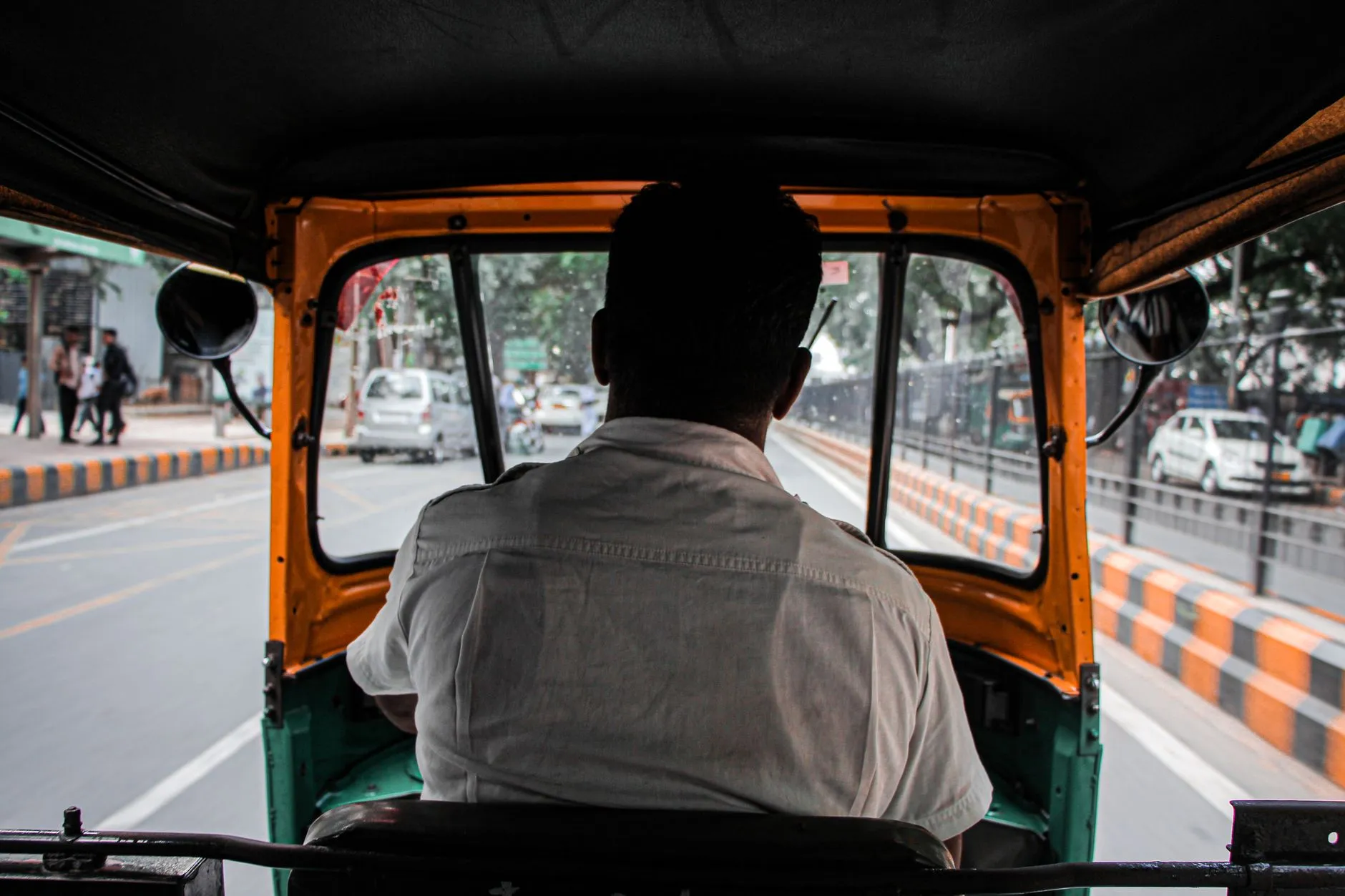
TL;DR: Living in India is much more affordable than in countries like the UK. A single person’s monthly living costs, not including rent, average around £260 to £300 in big cities like Mumbai or New Delhi. Rent for a one-bedroom flat in a city center can be as low as £117 in Kolkata or up to £442 in Mumbai. While wages might be lower, your overall expenses will likely be a small part of what you’d spend in the UK, helping you keep your finances stable even when splitting your time between countries.
Imagine trying to keep your life going smoothly across two different countries – perhaps you’re working remotely, visiting family, or simply enjoying longer stays abroad. One of the biggest challenges is making sure your money stretches far enough, especially when you need to cover costs in a new place while still managing expenses back home. Many people find that India offers a much more affordable way of life, letting your savings go further and helping you maintain connections without constant financial stress. Whether you’re planning to retire, stay for a short time, or move to an Indian city for good, understanding the local cost of living is key. It helps you budget wisely and ensures you can enjoy a good quality of life without surprises.

What is the Average Wage in India?
The average wage in India is generally lower than in many Western countries, but this usually does not lower your quality of life because living costs are also much lower. It’s helpful to know what kind of salary you might expect in India. Below is a table showing average yearly salaries for various jobs in some key Indian cities, which can help you compare potential earnings if you’re thinking about a move from the UK or elsewhere.
| Job | Mumbai | New Delhi | Chennai | Bengaluru |
|---|---|---|---|---|
| Cashier | £2,976 | £2,321 | £2,301 | £2,698 |
| Copywriter | £14,146 | £8,676 | £10,940 | £7,073 |
| Financial analyst | £25,058 | £25,058 | £25,058 | £25,058 |
| Graphic designer | £6,732 | £5,940 | £5,940 | £9,028 |
| Mobile developer | £11,041 | £20,022 | £11,041 | £15,605 |
| Product manager | £16,160 | £15,633 | £15,457 | £17,741 |
| Receptionist | £2,280 | £2,299 | £2,280 | £2,673 |
| Software engineer | £19,920 | £19,920 | £19,920 | £19,920 |
| Teacher | £16,275 | £13,714 | £13,714 | £21,029 |
| Web developer | £13,908 | £13,908 | £13,908 | £15,577 |
These figures come from data collected by Teleport, showing that salaries can differ quite a bit from one city to another, even for the same job. For example, a Mobile Developer could earn more in New Delhi than in Mumbai. This information is useful when deciding where to settle if you’re moving to India from UK or another country and need to earn a local income.

Which Are the Most Expensive and Cheapest Major Cities?
The cost of living can differ greatly across India’s cities, with some being much pricier than others. When you are looking for places to live, especially if you are splitting your time between countries, knowing these differences is very important.
The five most expensive cities in India, according to Mercer’s 2022 Cost of Living Survey, are:
- Mumbai
- New Delhi
- Chennai
- Bengaluru
- Hyderabad
If you are looking for more affordable options, Kolkata is known as the cheapest major city for people moving to India. Pune is another city that is much more affordable compared to larger cities like Mumbai or New Delhi. Choosing a more budget-friendly city can make a big difference if you want your money to last longer while you live abroad.
How Expensive is India Compared to Other Countries?
India generally has a much lower cost of living compared to many other countries around the world. The local money in India is called the Indian Rupee, often shown as ₹ or INR. To give you an idea of its value, here’s how much some major currencies are worth in Indian Rupees:
- £1,000 (British Pounds) = ₹101,141
- $1,000 (US Dollars) = ₹82,213
- €1,000 (Euros) = ₹88,913
- A$1,000 (Australian Dollars) = ₹54,849
This comparison shows that your money from these countries will go a long way in India.
Let’s also look at how the basic costs in major Indian cities stack up against other big cities worldwide. This will help you see the real difference in expenses if you’re thinking about managing a lifestyle that involves living between two countries.
| Expense (Monthly) | New Delhi, India⁶ | Mumbai, India⁶ | London, UK⁷ | New York City, USA⁷ | Berlin, Germany⁸ | Sydney, Australia⁸ |
|---|---|---|---|---|---|---|
| 1-bedroom flat in city centre (rent) | £194 | £442 | £2,057 | £3,164 | £1,082 | £1,586 |
| Meal for 2 (mid-range restaurant, three courses) | £17.80 | £14.80 | £70 | £81.20 | £52.70 | £70.60 |
| Monthly transportation pass | £10 | £3.60 | £160 | £105 | £74.60 | £118 |
As you can clearly see from the table, costs for essential items like rent, dining out, and transport are dramatically lower in Indian cities compared to places like London, New York, Berlin, or Sydney. This can greatly impact your budget, especially if you’re used to higher prices from a country like Australia; you might want to read our guide to the cost of living Australia for a detailed comparison. This makes India an attractive option for those looking to stretch their finances further while still enjoying a vibrant urban lifestyle.
Cost of Living in India vs. UK
When comparing the cost of living in India with the UK, it becomes very clear that India is significantly cheaper. In fact, it is often considered one of the cheapest countries in Asia. This means your daily expenses in India will likely be only a small part of what you would pay in the UK.
Everything tends to be more expensive in the UK, including rent, education, and even food. You will likely find it very easy to adjust to the lower costs in India. This difference in cost can be a huge benefit for those who spend time in both countries, allowing you to save money while living abroad and make your budget go further. If you want to know more about UK expenses, check out our cost of living UK guide.
When moving between countries, one of the main challenges is often changing your money from one currency to another, for example, from British Pounds to Indian Rupees. It’s important to keep an eye on exchange rates to ensure you are getting a fair deal. Knowing how to keep your home phone number working abroad, such as with a UK number, can also reduce stress and costs when you’re managing life across borders.
What Are General Living Expenses Like in India?
Let’s look at the basic monthly costs for everyday life in India, aside from rent. These are average expenses in a few major Indian cities, which are good to know if you’re planning moving to India from UK or any other country and want to estimate your budget.
Total Living Expenses in Mumbai
| Item | Average cost |
|---|---|
| 1 person, per month (without rent) | £303.90 |
| 1 person, per year (without rent) | £3,646.80 |
| 4-person family, per month (without rent) | £1,047.40 |
| 4-person family, per year (without rent) | £12,568.80 |
Total Living Expenses in New Delhi
| Item | Average cost |
|---|---|
| 1 person, per month (without rent) | £299.40 |
| 1 person, per year (without rent) | £3,592.80 |
| 4-person family, per month (without rent) | £1,020.70 |
| 4-person family, per year (without rent) | £12,248.40 |
Total Living Expenses in Chennai¹⁰
| Item | Average cost |
|---|---|
| 1 person, per month (without rent) | £269.80 |
| 1 person, per year (without rent) | £3,237.60 |
| 4-person family, per month (without rent) | £926.60 |
| 4-person family, per year (without rent) | £11,119.20 |
Total Living Expenses in Kolkata¹¹
| Item | Average cost |
|---|---|
| 1 person, per month (without rent) | £261.60 |
| 1 person, per year (without rent) | £3,139.20 |
| 4-person family, per month (without rent) | £897.50 |
| 4-person family, per year (without rent) | £10,770 |
These figures, sourced from Numbeo and Expatistan, show that daily living expenses are quite low across these cities, especially in Kolkata. This means your money will go much further for general living expenses India than in many other countries. This is very helpful when you’re managing money across borders, making it easier to afford a comfortable lifestyle even with multiple financial commitments.
How Expensive is Housing and Accommodation in India?
Rent is usually the biggest cost in any monthly budget, and this is true in India as well. However, the costs for housing and accommodation in India are still much lower than in many Western countries. This table gives you an idea of what you can rent in different Indian cities for your money.
Mumbai Average Monthly Rent⁶
| Flat Type | Average monthly cost |
|---|---|
| 1 bedroom flat in City Centre | £442.10 |
| 1 bedroom flat Outside of City Centre | £247.50 |
| 3 bedroom flat in City Centre | £1,164.60 |
| 3 bedroom flat Outside of City Centre | £609.30 |

New Delhi Average Monthly Rent⁶
| Flat Type | Average monthly cost |
|---|---|
| 1 bedroom flat in City Centre | £194.00 |
| 1 bedroom flat Outside of City Centre | £115.00 |
| 3 bedroom flat in City Centre | £475.80 |
| 3 bedroom flat Outside of City Centre | £270.20 |
Chennai Average Monthly Rent¹⁰
| Flat Type | Average monthly cost |
|---|---|
| 1 bedroom flat in City Centre | £151.20 |
| 1 bedroom flat Outside of City Centre | £92.10 |
| 3 bedroom flat in City Centre | £364.60 |
| 3 bedroom flat Outside of City Centre | £212.40 |
Kolkata Average Monthly Rent¹¹
| Flat Type | Average monthly cost |
|---|---|
| 1 bedroom flat in City Centre | £117.50 |
| 1 bedroom flat Outside of City Centre | £70.40 |
| 3 bedroom flat in City Centre | £322.30 |
| 3 bedroom flat Outside of City Centre | £192.50 |
These numbers clearly show that even in major cities, rent prices in India are very low compared to many other global cities. This makes it much easier to afford comfortable accommodation in India, whether you’re staying for a long time or just for a few months. For those managing a life between countries, having lower housing costs in India can significantly free up funds.

What About Healthcare and Dental Prices in India?
If you are a resident of India, you can get free healthcare at government hospitals and clinics. However, these government facilities sometimes have too many patients or not enough supplies. Because of this, many people choose to use private healthcare services instead.
Some groups of people, like those with lower incomes, can use government programs such as the National Health Protection Scheme to get some private healthcare services for free or at a reduced cost, as noted by the Commonwealth Fund. While private healthcare costs can be a bit high for Indian citizens, they usually seem quite low for most people moving to India from other countries, especially those from the UK or US.
Here are some average prices for healthcare and dental prices in India:
| Healthcare service | Average cost |
|---|---|
| Cold medicine for 6 days (brands like Tylenol or Coldrex) | £1.37 |
| 1 box of antibiotics (12 doses) | £2.49 |
| Short visit to a private doctor (15 minutes) | £12 |
These prices, gathered by Expatistan, show that even private medical care is very affordable. This can be a huge relief if you’re used to high healthcare costs in your home country and need to ensure you can access good care while living in India.
How Much is Travel and Transportation in India?
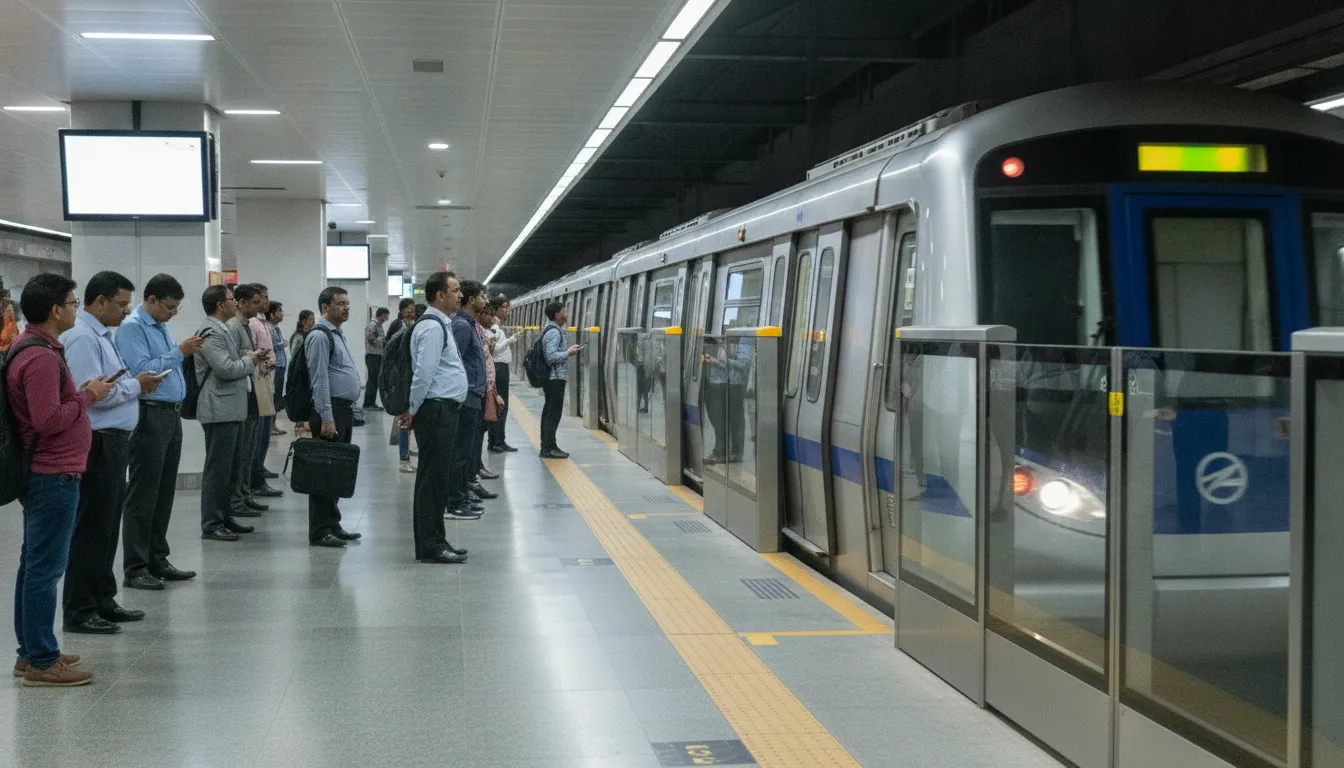
Getting around in India offers many choices, from local transport to ways to travel across the country. For local trips, you can use buses, metros, boats, and different kinds of rickshaws (like auto-rickshaws or cycle-rickshaws).
When you want to travel between cities, you can pick from buses, trains, and planes. There are even some budget airlines that offer cheaper flights. This variety means you can often find affordable ways to move around, which is great for your travel and transportation in India budget.
Here’s an overview of average travel and transport prices in India:
| Transportation and vehicle prices for India | Average cost |
|---|---|
| Petrol (1 gallon) | £3.90 |
| Monthly bus/transport pass | £7.90 |
| One-way Ticket (Local Transport) | £0.25 |
| Taxi 1 mile (Normal Tariff) | £0.49 |
| Toyota Corolla, new | £18,206 |
| VW Golf, new | £9,877 |
These prices, from Numbeo, show that daily commuting and even longer journeys are very inexpensive. For example, a monthly transport pass is only £7.90, which is extremely low compared to prices in the UK or other Western countries. Owning a car is also cheaper than in many places, though local transport is often the most cost-effective choice. This makes managing your local movement very budget-friendly while you’re in India.
How Much Does Education Cost?
Finding education for children of expats in India is not difficult, as there are hundreds of international schools available. Local private schools are also a good choice if your family plans to stay in India for a long time and you want your child to fully blend in with local culture and education.
Higher education in India, at the university level, offers good quality across both public and private institutions. Expats can choose between them based on things like location, cost, and reputation. University fees can vary a lot between private and public colleges and also depend on the subject area. Understanding these costs is crucial if you’re planning on a long-term stay or moving to India from UK with family.
Here is a quick look at some education cost in India:
| School / University | Average yearly cost (GBP) | Average yearly cost (INR) |
|---|---|---|
| The British School nursery¹⁵ | £10,902.20 | ₹1,101,000 |
| The British School - years 12 and 13¹⁵ | £8,246.00 | ₹832,750 |
| Indian Institute of Technology Bombay (dual degree for international students - public)¹⁶ | £3,214.20 | ₹324,600 |
| Tuition fee at Shiv Nadar University (School of Engineering - private)¹⁷ | £32,181.80 - £51,490.90 | ₹3,250,000 - ₹5,200,000 |
These figures show a wide range in education costs. International schools like The British School, as per their fee schedule, can be quite expensive, similar to private schools in Western countries. However, public universities like IIT Bombay offer highly affordable education, even for international students, as shown in their fee structure. Private universities like Shiv Nadar University, according to their fee structure, sit at the higher end. This means you have many choices, from very affordable public options to more costly private and international schools, depending on your budget and needs.
No matter your reasons for coming to India, you will likely find that the new experiences, along with the low cost of living, can lead to a very comfortable and even luxurious lifestyle. Now that you understand the costs, you can better enjoy living in India and managing your finances across different parts of your life.
Related reading
Sources
| # | Source | Website |
|---|---|---|
| 1 | Teleport | teleport.org |
| 2 | Mercer's 2022 Cost of Living Survey | mercer.co.in |
| 3 | Expatistan | expatistan.com |
| 4 | Commonwealth Fund | commonwealthfund.org |
| 5 | Expatistan | expatistan.com |
| 6 | fee schedule | british-school.org |
| 7 | fee structure | iitb.ac.in |
| 8 | fee structure | snu.edu.in |