
Navigating the Finnish Education System: A Guide for Expats
Discover Finland's unique education system: compulsory pre-primary, comprehensive school, and secondary options. Learn about starting ages, minimal exams, and costs for expat…


TL;DR: The Finnish education system is famous for its unique approach. Children start formal schooling at age seven and typically don’t take exams for their first seven years. They also enjoy 75 minutes of recess daily. Standardized tests happen only once, at age 16. While public schools are free, international schools can cost €12,000 to €17,000 yearly. For families moving to Finland, understanding this system is crucial, much like planning how to stay connected with loved ones back home.
When people search for information about the “Finnish school system,” they usually find articles praising its success rather than simple guides. Finland’s way of teaching is unique: teachers are highly respected experts, not just people following rules. This means they can try new ideas in the classroom, focusing on each student as a person, not just part of a group. This approach has made it one of the best education systems globally.
One big difference is how teachers are trained. They must have a master’s degree and lots of practical experience in classrooms. This is very different from some countries, like the United States, where teacher requirements might be less strict, and training can be much shorter. This special training helps create the strong “education in Finland” is known for.
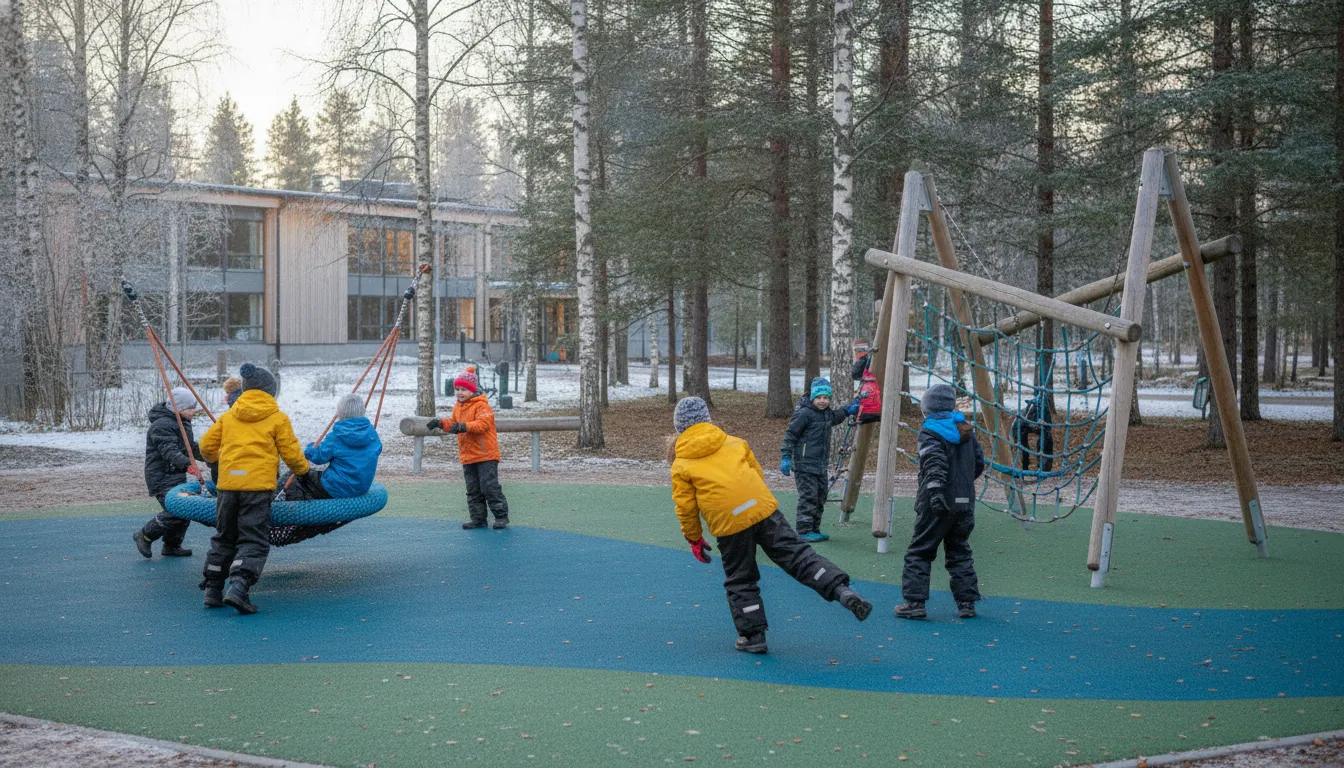
Think about these other surprising facts: kids start elementary school at age seven and don’t have exams for their first seven years of schooling. They also get very little homework until they are older teenagers, and elementary students enjoy 75 minutes of playtime each day. Most importantly, students only take one standardized test during their entire school life, at age 16. These facts highlight Finland’s deep respect for childhood and learning. If you’re planning to move to Finland for work or any other reason, your family can experience this advanced way of teaching. But how exactly is the system set up? And what is the “cost of education Finland”? This guide will explain the different school stages, types, and costs you might find. When you’re making a big move, finding the right school for your children is a top priority, just like ensuring you can keep your US number abroad or your UK number abroad to stay in touch with family.
What is the Finnish Education Structure Like for New Families?
The Finnish education structure begins with optional preschool, followed by nine years of compulsory comprehensive school, and then optional secondary education. As mentioned, students in Finland do not have to start school until they are seven years old. However, many parents choose to send their children to preschool before that. From this point, students typically stay in school until they finish around age 18. This structured path guides students through their entire learning journey.
Here is a simple overview of the main school levels, their typical ages, grades, and whether they are required:
| School Level | Age | Grade | Requirement |
|---|---|---|---|
| Pre-Primary Education | Age 6 | Compulsory | |
| Comprehensive School | Age 7-16 | Grades 1-9 | Compulsory |
| Secondary School | Age 16-19 | Grades 10-12 | Not Compulsory |
This table shows the clear stages of schooling in Finland, from early learning to advanced studies.
What Does Pre-Primary Education Finland Involve?
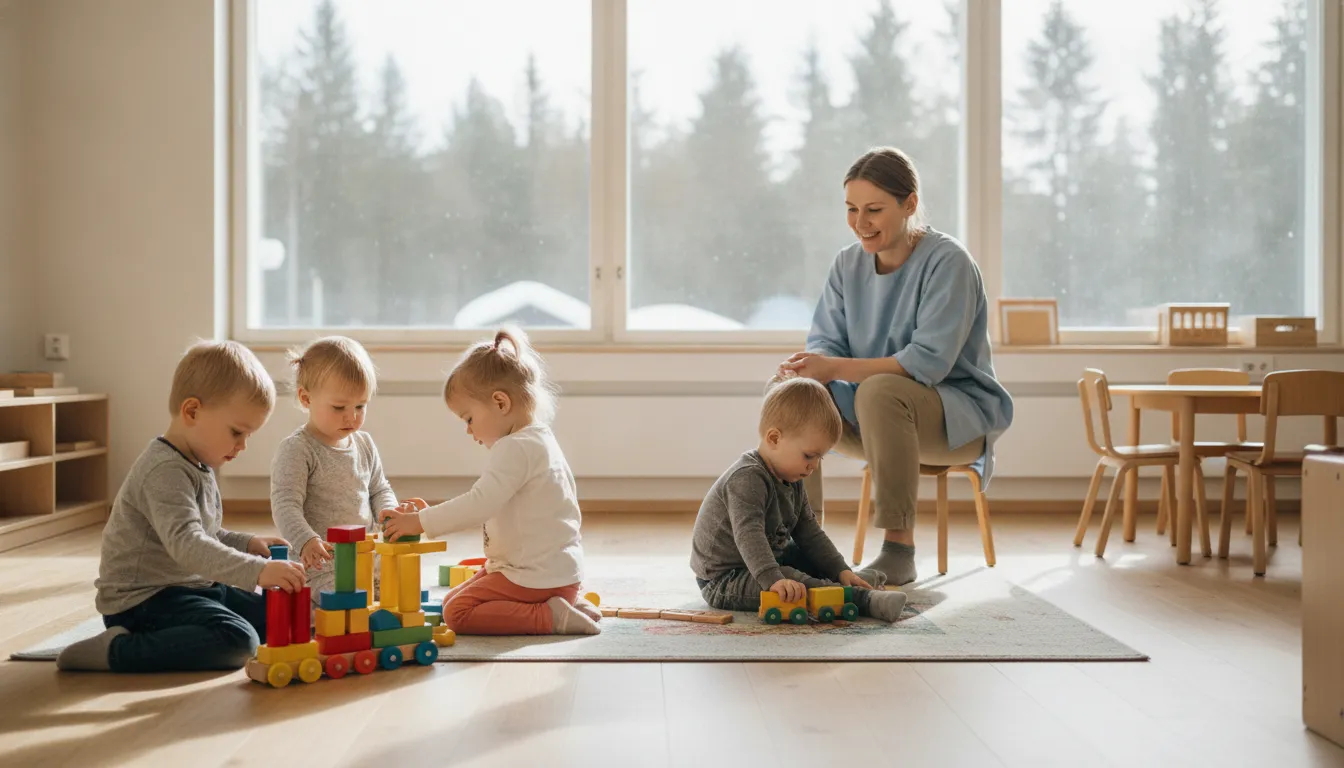
Pre-primary education Finland was previously optional but became compulsory in 2015. Before that year, the government ensured all children under school age had the right to “early childhood education and care,” often called ECEC. Now, this stage of learning is required. These pre-primary schools are run by the government and are often part of local day care centers. This means they are accessible to almost everyone.
ECEC follows an “educare” model, which means it combines teaching with childcare. It focuses on learning through play, helping children develop naturally and happily. The activities are guided by “National Curriculum Guidelines,” but these are flexible. Teachers use these guidelines as suggestions rather than strict rules, which allows for creative teaching methods.
Because the government ensures this type of education in Finland, schools do not choose their students. Instead, all children can enroll in the pre-primary school closest to their home. The exact steps to enroll can vary depending on where you live. It is a good idea to check your local authority’s website for specific details. These local websites are usually available in English, Finnish, and Swedish, making the process easier for expats and new families looking into “expat education Finland.”
How Does Comprehensive School Finland Work?
Comprehensive school Finland, also known as basic education, aims to help students grow into kind, responsible members of society. It also focuses on giving them the practical skills they will need throughout their lives. This stage of schooling in Finland is for students from age seven to 16 and covers grades one through nine. Just like with pre-primary schools, comprehensive schools do not select their students. Every resident of Finland is given a spot in a school within their local area.
In many places, students might also be able to choose a different school than their local one, though there might be some rules about this choice. All comprehensive schools follow a shared national core curriculum. This curriculum acts as a general guide, outlining the main goals and topics for different subjects. However, teachers and school leaders have the freedom to create their own detailed lesson plans within this framework. This flexibility allows teachers to tailor lessons to their students’ needs.
Students must take core subjects such as Finnish, math, science, and history. Older students may also have the chance to learn foreign languages. Regardless of the classes they take, students in comprehensive school Finland almost never have homework and rarely take exams. These types of tests are usually introduced when students reach secondary school. This low-stress approach is a key part of the Finnish education system.
What About Secondary School Finland?
Secondary school Finland has two main paths: general education or vocational education. Students are considered to have “graduated” once they finish comprehensive school. After this, as “school-leavers,” they can decide whether to continue with general studies or choose a vocational track. While most Finnish students do pick general education, the number choosing vocational training is significant: about 40% of students in this age group choose the vocational path instead. This balance allows students to pursue different career interests.
Some of the most popular vocational fields include technology, communications, transportation, social services, health, and sports. Unlike comprehensive school, students are not automatically accepted into secondary school. These schools have the right to choose their pupils. Students are typically picked based on their grades from basic school. Some secondary schools also use entrance exams or aptitude tests to help with their selections. Much like applying to a university, students try to impress potential schools by highlighting their hobbies, extra-curricular activities, and academic achievements. This competitive entry makes secondary school Finland a significant step in a student’s academic journey.

What Does the Academic Year Look Like?
The academic year in Finland is divided into two main parts: autumn and spring. The autumn term usually begins at the end of August. It continues until just before the Christmas holidays, offering a clear break for students and teachers. The spring term then starts in the first couple of weeks of January. This semester runs through May, bringing the school year to a close. This schedule provides consistent learning periods with regular breaks.
What is the Cost of Education Finland for Expats?
While Finland offers excellent free public schools, many expat education Finland families choose private or international schools for their children. This is often the case, especially if the family does not speak Finnish and wants their children to continue their education in a language they already know. The “cost of education Finland” at these private schools can vary greatly. Factors like the school’s academic reputation, the student’s age, and the school’s location all play a role.
For example, tuition at the International School of Helsinki can range from €12,000 to €17,000 each year. This cost changes as the student moves from pre-primary school all the way through 12th grade. Because these schools can be quite expensive, it is important for families to plan how they will fund their child’s education. When considering moving and managing costs like this, it’s also worth researching topics like the cost of living Australia guide or the cost of living Canada expat guide to compare expenses in different countries.
In Conclusion
The Finnish education system is not just excellent; it also provides a valuable example for the rest of the world. For families considering moving to Finland education for their children, this move can be a great step towards giving them the best possible schooling. While you build your career in this Nordic country, your children can benefit from a system that focuses on individual growth and creative learning.
If you are looking for more details about schooling in Finland, the Finnish National Agency for Education offers many resources for parents. These resources are available in both Finnish and English. Good luck with your new adventure and with finding the best “expat education Finland” for your family! Just as you would research the best eSIMs for digital nomads for staying connected while abroad, understanding the local education system is key to a smooth transition.
Sources
| # | Source | Website |
|---|---|---|
| 1 | build your career in this Nordic country | wise.jobs |
| 2 | Finnish National Agency for Education | oph.fi |