
Living in Japan: Pros, Cons, and Expat Challenges
Thinking of living in Japan? This guide covers the pros (education, transport, food) and cons (high cost, work-life balance, renting issues for expats). Prepare for a…

TL;DR: Living in Japan offers a high quality of life with world-class education, efficient public transport, and delicious food. However, it comes with significant challenges like an extremely high cost of living, especially for small apartments, a culture of poor work-life balance, and potential difficulties for foreigners with renting and basic tasks like opening a bank account. Expats must weigh these unique benefits and drawbacks carefully.
Imagine you’ve built a life, a career, and a network of friends back home. Then, an opportunity to live in Japan arises. It’s an exciting prospect, but the thought of leaving everything behind can feel overwhelming. Beyond the thrill of a new adventure, how will you stay connected to your family and friends? What about keeping your old phone number, so you don’t miss important calls or texts from your home country while you adjust to life in a place known for its distinct culture and high standards? Choosing a new country is a huge decision, and understanding what life there truly entails is key. Japan, a country famous for its bustling cities and peaceful countryside, draws many people. But what are the real benefits and difficulties of living there? Let’s explore the ups and downs of life in Japan.

What Are the Good Things About Living in Japan?
Many people choose to move to Japan for good reasons. It is a popular country for expats because it offers many advantages that make life there appealing and comfortable.
How Good is the Education System in Japan?
Japan is widely known for offering excellent education to all students. This is true whether children go to free public schools or private international schools. Students are expected to achieve high standards. In fact, US News and World Report recently named Japan’s school system among the best globally.
Japanese schools also provide good chances to learn several languages. The universities in Japan are highly respected around the world.
Is Shopping Easy and Convenient in Japan?
Japan’s convenience stores, called “konbini,” are famous for how useful they are. You can buy almost anything there, from snacks and drinks to toiletries and even some basic clothes. These stores are always clean, safe, and have enough staff. Many visitors from other countries find Japanese convenience stores much better than those in their home countries.
Beyond convenience stores, Japan’s cities also have large shopping centers. You can find almost anything you are looking for, from high-end fashion to everyday items.
What is Japanese Food Like?
Japanese food is much more than just sushi, though you will find plenty of delicious sushi. The food from Japan is popular all over the world, and for good reason: it is tasty and very healthy. As an island nation, Japan has a lot of fresh seafood. It also offers famous foods like its special Kobe beef.
How Does Health Insurance Work in Japan?
Japan has a system called universal public healthcare. This means everyone who lives there is automatically covered. People pay for this system with monthly fees. They then pay 30% of their medical costs out of their own pocket.
While paying 30% might seem like a lot, many medical procedures and treatments are made cheaper by the government. This helps to keep costs low. There is also a monthly limit on how much a person has to pay out of their own pocket for medical care. This ensures that no one ever pays too much, protecting people from very high medical bills. The government has worked to keep healthcare affordable, so medical costs rarely cause financial problems for people living in Japan.
Are There Many Job Opportunities for Foreigners in Japan?
Yes, it is often easy to find jobs in Japan, even for people from other countries. There is always a need for English speakers to teach Japanese students. If you are from a Western country and speak English well, you can very easily get a job teaching in Japan.
Teachers receive a steady income. In many cases, they are also given a place to live, which makes it easier to move to a new culture. If you enjoy working with children, teaching can be a simple way to make Japan your new home. For those considering a move, resources like an Australia skills in demand visa guide can offer insights into different paths for working abroad, even if not directly for Japan.
What are the Options for Work Visas in Japan?
Japan offers many different types of work visas. This includes a temporary visa that you can get for doing research, signing papers, or other unpaid work. While it can be complicated and take a long time to apply for a visa without a company sponsoring you, Japan generally welcomes skilled people from other countries to work within its borders.
Is Public Transport Good in Japan?
The buses, trains, and subways in Japan are incredibly clean, fast, dependable, and easy to use. They make getting around very simple, even when traveling between different cities. There is no need to own a car because public transportation is such a big part of daily life in Japan. This excellent system helps many expats keep their lives organized, whether they’re trying to figure out how to manage banking in a new country or simply meet up with friends.
Is Japan a Clean and Comfortable Place to Live?
Yes, Japan is generally very clean and comfortable. Even though it is an Asian country, you will find many conveniences that are common in Western countries. These include Western-style toilets, free drinking water, and large supermarkets. These familiar aspects can make life much easier for expats, helping them feel more at home.
What Are the Hard Things About Living in Japan?
While Japan has many wonderful things, it also has some tough sides. Many of these can make life especially hard for expats from Western cultures. It’s important to think carefully about these difficulties.
What is the Work-Life Balance Like in Japan?
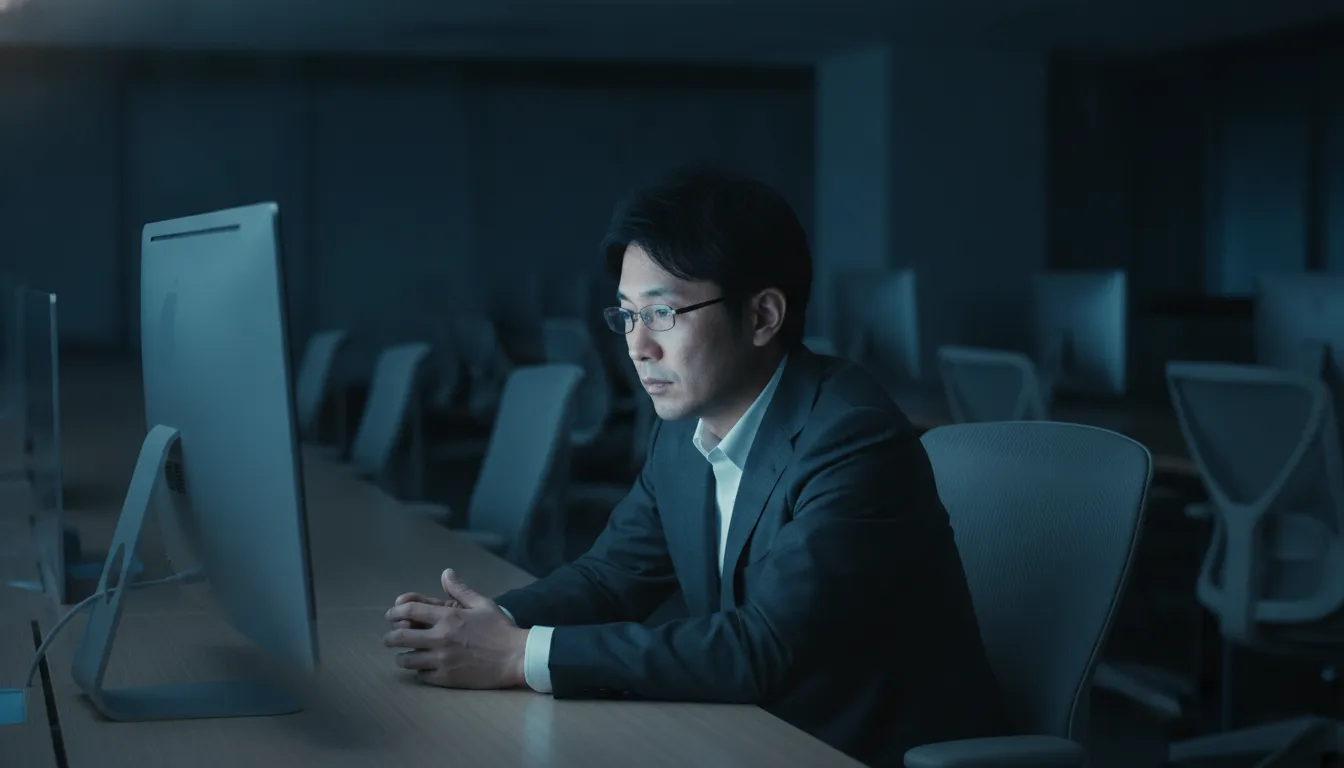
Japan has a culture where people are expected to work extremely hard. Workers are often expected to arrive early and stay late, no matter their job. If you get sick, you are usually expected to use your vacation days instead of sick leave. However, using vacation time is also often disapproved of and could affect your chances of getting future jobs.
Japan’s work culture is very demanding, and it often means it is hard to even take a break. This intense focus on work can make it challenging to maintain connections back home, even with modern tools like a reliable eSIM for digital nomads or other communication apps.
How High is the Cost of Living in Japan?
The cost of living in Japan has traditionally been among the highest in the world. If you want to live near a city center, you should expect to pay a lot for rent. Although the country has become a little more affordable in recent years, it is still an expensive place to call home.
Comparison of Typical Monthly Costs (Estimates)
| Item | Cost in Japan (JPY) | Notes |
|---|---|---|
| City Centre Rent (1-bed) | ¥80,000 - ¥150,000 | Varies greatly by city/size |
| Utilities (Basic) | ¥10,000 - ¥20,000 | Electricity, heating, cooling, water |
| Food (Groceries) | ¥30,000 - ¥50,000 | For one person, depending on habits |
| Public Transport Pass | ¥6,000 - ¥12,000 | Monthly pass, depending on area coverage |
| Eating Out (Mid-range) | ¥1,500 - ¥3,000 | Per meal |
These numbers show that rent is a major part of the cost of living in Japan, often taking up a large portion of an expat’s income. When planning your budget, remember these significant expenses. For example, monthly rent for a one-bedroom apartment in a city center can range from ¥80,000 to ¥150,000 or more, depending on the city and size.
Are Apartments in Japan Small?
Yes, living spaces in Japan are much smaller than in many other parts of the world. They might also not be as comfortable or spacious as some expats, especially those from Western countries, are used to. This can be a significant adjustment for those used to larger homes.
Is Renting Property Difficult for Foreigners in Japan?
Renting apartments in Japan usually involves real estate agents or brokers. However, many brokers do not speak English. This means that even if you find the perfect apartment, you might not be able to rent it without hiring a translator. Many landlords are also unwilling to rent to foreigners.
Some landlords might be willing but will ask for a “reikin,” which is like a gift of one to two months’ rent paid upfront. This is often required if the apartment is in a popular area where many people want to live. This extra cost and the language barrier can make renting in Japan as a foreigner a complex process. For those who want to eventually own property, understanding the complexities of buying property as a foreigner is also important, which you can learn about in guides like the UK buyer’s guide to buying property in Australia.
Is There Prejudice Against Non-Japanese People?
While Japanese people are known for being very polite, some visitors from Western cultures might feel that this politeness seems forced or not genuine. Others might experience open unfriendliness towards people who are not Japanese. In smaller cities, some bars and restaurants may even refuse to serve foreigners.
While such extreme negative treatment is becoming less common in Japan, it still happens in some places. You might experience it while living there.
Can Basic Tasks Like Opening a Bank Account Be Hard?
Yes, simple tasks like opening a bank account in Japan can be complicated. To open a bank account, you must be a resident and show proof of your residence. You also need your passport and Japanese visa. In addition, you need to get a special hand-carved seal called a “hanko.” This stamp is used instead of your signature on official documents.
Because of complex visa rules, you cannot open a Japanese bank account from outside Japan. This means that when you first arrive, you will need to complete several steps to get all your official documents ready before you can even open a bank account. This can be frustrating, especially when trying to manage your finances or even transfer money from your home account.
Does Japan Suffer from Natural Disasters?
Japan regularly experiences earthquakes. These earthquakes can also trigger tsunamis, which can cause great damage to the island nation. There is nothing you can do to stop them, so natural disasters in Japan are simply a part of life. You should be prepared for them.
Is Smoking Allowed in Public Places?
If you do not like secondhand smoke, Japan might not be the best place for you. Smoking is permitted in most bars and coffee shops. Smoking is a strong part of Japanese culture, so many people smoke in these public areas.
Choosing a new country like Japan involves many factors, from the exciting opportunities to the challenging adjustments. It’s important to research thoroughly to ensure it’s the right fit for you. Whether you’re moving for work or adventure, you will need to think about how you manage your money and stay connected. This includes how you access funds and keep in touch with your home country. For example, keeping your old phone number active while abroad is crucial for banking, two-factor authentication, and staying connected with family – you can learn more about this by reading a guide on how to keep your US number abroad or a UK guide.
No place in the world is perfect, and every country will have its good and bad points for expats. If you are still thinking about making Japan your future home, more research will help you decide if it is truly the right country for you. This list should give you a good start to understanding life in Japan. Good luck with your move and safe travels, no matter where you end up!

Related reading
Sources
| # | Source | Website |
|---|---|---|
| 1 | US News and World Report | usnews.com |
| 2 | easy to find jobs in Japan | wise.jobs |