
Getting Married in Japan: A Complete Guide for Foreigners
Planning to marry in Japan? This guide covers legal requirements, essential documents like the Affidavit of Competency, registration steps, typical costs, and ceremony options…

TL;DR: To get married in Japan, you primarily need to register your marriage at a local city or municipal office. This legal step can often be completed on the same day you apply, making the formal process quick. For foreign citizens, a key step is obtaining an Affidavit of Competency to Marry from their home country’s embassy. While legal costs are minimal (around ¥5,500 for the affidavit), the average Japanese wedding ceremony and reception can cost about ¥3.34 million (roughly $30,000 USD) for 70 to 80 guests.
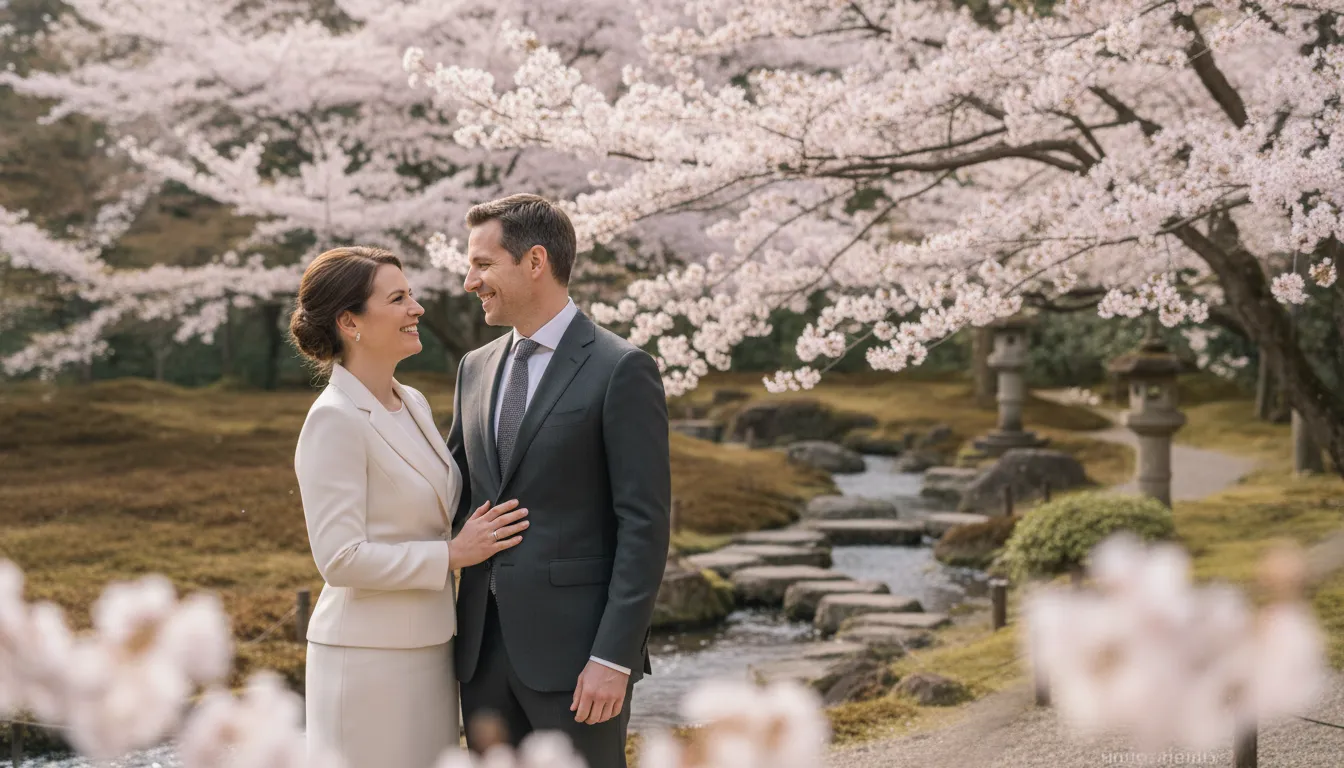
Imagine standing in a beautiful, serene Japanese garden, perhaps surrounded by cherry blossoms, as you celebrate your marriage. Or maybe you picture a grand celebration in a modern Tokyo hotel, blending centuries-old traditions with futuristic style. Getting married in Japan offers a truly special experience, whether you’re bringing together different family traditions or simply seeking a unique place to say “I do.” It’s an unforgettable journey that combines rich culture with personal commitment. Planning your special day here can be seamless, even if your loved ones are spread across the globe. You can easily keep them updated and connected to your plans, ensuring everyone feels a part of your celebration.

What Kinds of Weddings Are Possible in Japan?
In Japan, wedding ceremonies can be civil, religious, or often, a mix of both. However, it’s important to know that a wedding ceremony is not strictly needed for your marriage to be official. Japanese law considers a marriage legal only once it has been registered at a local city or municipal office.
The Japanese constitution does not legally recognize same-sex marriage. Despite this, as of June 2017, several cities across the country do offer same-sex civil partnerships. Also, many popular wedding places in Japan, including the Disney resort in Tokyo, provide ceremonies for same-sex couples, allowing them to celebrate their commitment.
What Are the Official Rules to Get Married in Japan?
You do not need to be a Japanese citizen or live in Japan to get married there. As long as you are allowed to marry in your home country, you can get married in Japan. The marriage process in Japan can be very fast; couples might even register their marriage on the same day they apply for the license.
The minimum legal age for marriage is 18 years old for men and 16 years old for women. If either you or your partner is under 20 years old, your parents will need to give special permission. Finally, if a woman has been divorced, she must wait six months before she can get married again. For those managing life in multiple countries, ensuring all legal documents are in order and easily accessible is key. For example, understanding how to keep your US number abroad can help you stay connected with family during these important legal processes.
What Do You Need to Get Married in Japan?
Essential Paperwork and Documents
You won’t need a lot of paperwork to get married in Japan. All couples planning to marry must turn in the following documents:
- An application for registration of marriage: This is known as a
konin todoke. - A birth certificate.
- A valid passport.
- An affidavit of competency to marry: This document states you are legally free to marry.
Each civil office may have slightly different needs, so you should contact the specific Japanese office where you plan to marry to ask about any other documents they might require. Japanese law states that all foreigners marrying in Japan must get a sworn Affidavit of Competency to Marry from their own country’s embassy or consulate in Japan. This affidavit confirms that they are legally allowed to marry. The embassy usually charges a fee for this document and will ask for proof that any past marriages have ended (like a divorce decree). Generally, you should get this affidavit within two months of your planned marriage registration date. It is always best to contact your local embassy or consulate for any other specific requirements. For instance, the U.S. Embassy and Consulate in Japan provides detailed guidance for American citizens. Similarly, the Australian Embassy of Japan offers information for Australians.
Japanese citizens will also need a certified copy of their family register. This copy must have been issued no more than one month before the marriage registration date. For people who are not Japanese citizens, all documents submitted must be translated into Japanese.
The Process of Getting Married
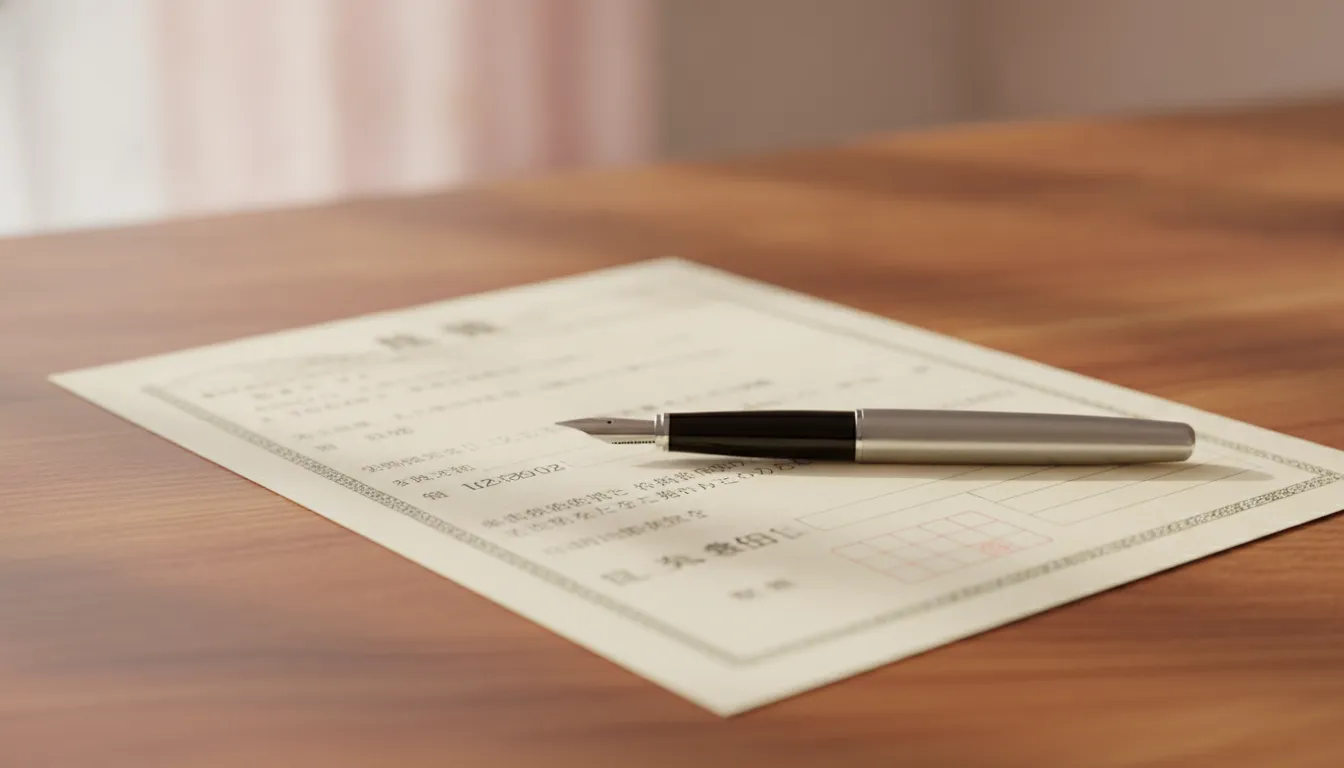
You must file the marriage registration at the local government office closest to where the Japanese citizen lives if one partner is Japanese. If both partners are not Japanese citizens, you should file it at the local office closest to where you plan to get married. To officially register your marriage, both partners and two additional witnesses must sign the application. The witnesses can be of any nationality, but they must be at least 20 years old.
If one person is a Japanese national, it is even possible to register your marriage by mail. You simply send all the required documents through the post, and the local government will accept this application as valid. You can go through the marriage process in Japan with very little fuss. Officially, once the marriage registration is filed and approved by the local government office, a couple is legally married. It is a very fast process.
While not strictly necessary, it is a very good idea for non-Japanese citizens to ask for a Certificate of Acceptance of Notification of Marriage from the same local office. This document will serve as your official proof of marriage. Staying organized with documents is vital, especially if you’re an international couple. Knowing how to keep your documents safe and accessible, much like learning to keep your UK number abroad, ensures peace of mind.
What Fees Are Involved When Getting Married in Japan?
The legal fees for getting married in Japan are quite low. Here are some estimated costs:
| Item | Estimated Cost in Japanese Yen (¥) |
|---|---|
| Affidavit of Competency to Marry | ~¥5,500 |
| Proof of Marriage Certificate | ~¥350 - ¥1,400 |
| Translation Services (if needed) | ~¥11,000 |
These costs mainly cover the paperwork required to make your marriage legal. The Affidavit of Competency to Marry for foreign citizens costs around ¥5,500. Obtaining proof of marriage can range from about ¥350 to ¥1,400. If you need your documents translated into Japanese, this service might cost around ¥11,000. These are the main government-related fees for the official registration process.
What Should I Know About Wedding Ceremonies in Japan?
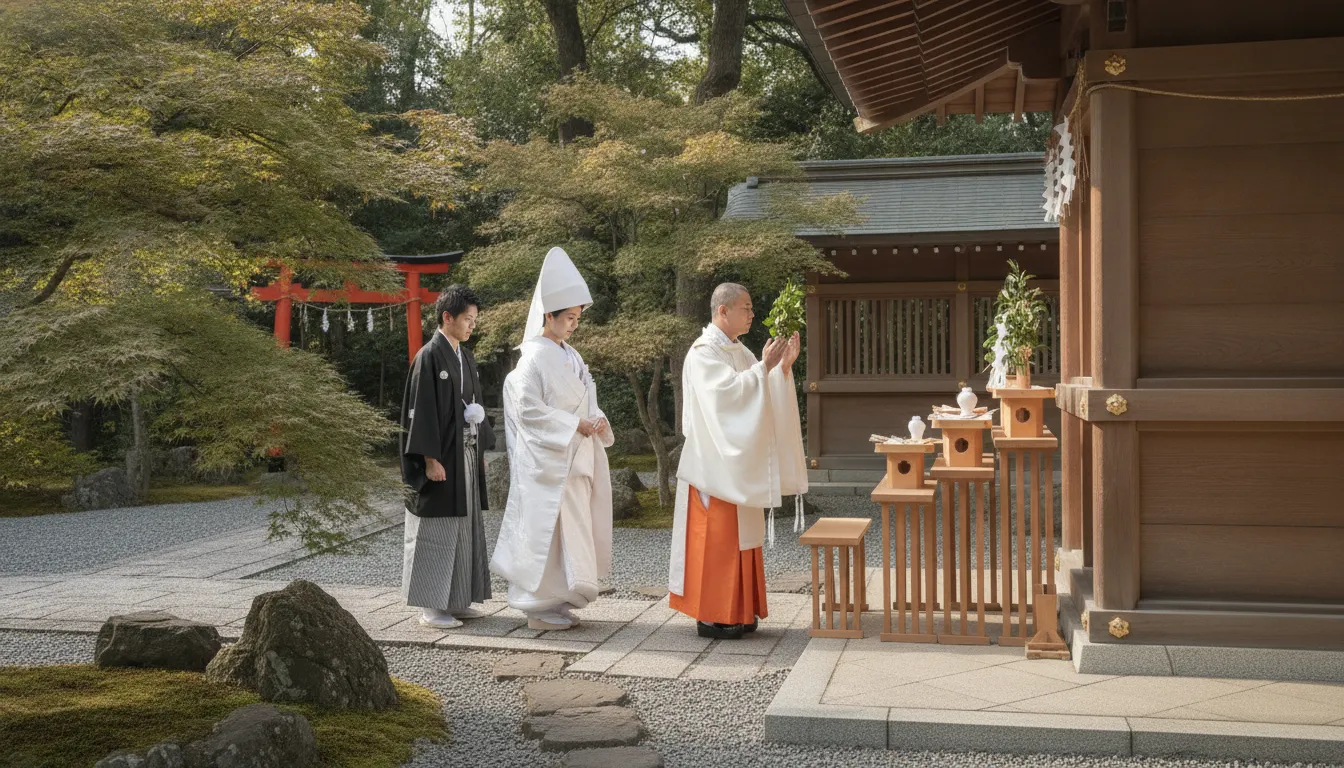
It is quite common for Japanese weddings to involve wedding planners or to work with venue coordinators. These professionals help manage the big day. Traditional Shinto or Buddhist Japanese weddings are different from typical Western weddings. The main parts of a Japanese wedding often include the ceremony itself (kekkon shiki), followed by the hiroen, which is a reception at a nearby restaurant or banquet hall where dinner and speeches are held. After this, there might be an after-party, called nijikai.

In the past, most couples got married at a shrine to show respect for their cultural traditions and ancestors. Today, it’s becoming more common to hold marriage ceremonies and receptions in hotels, gardens, or chapels across Japan, in addition to traditional Shinto shrines or Buddhist temples. When planning your wedding, consider how you’ll communicate with family and friends who may live far away. Learning about services like Google Voice vs Keep My Number can help you find the best way to stay in touch across time zones.
What is the Cost of a Wedding in Japan?
The cost of a wedding in Japan can be as budget-friendly or as luxurious as you wish. While many high-end options are available, you can also find more affordable choices. One way to manage costs is to look for package deals, where a planner combines the ceremony and reception venue, catering, flowers, and planning into one fixed price. You could also skip a formal ceremony altogether and simply hold a casual reception to keep expenses down.
The average Japanese wedding costs about the same as a Western wedding. On average, it costs around ¥3.34 million (which is about $30,000 US) and usually has about 70 to 80 guests. It is very common to rent a wedding dress or tuxedos. Rental dresses can cost anywhere from ¥10,000 to ¥100,000 for a designer brand, and traditional kimonos typically start at about ¥90,000.
Venues that specialize in weddings will most likely offer package plans. They might charge extra if you bring in your own wedding planner. While it’s common to find venues with packages that include flowers, photos, and catering costing well over ¥1 million, you can probably find a good venue without a package deal for ¥200,000 to ¥400,000. Guests attending the reception are usually expected to pay an entrance fee in addition to a traditional wedding gift. This fee, typically ¥5,500 to ¥11,000 (about $50 to $100 US), generally covers the cost per person for food and drinks during the event.
Here are some extra estimates for the average costs of a Japanese wedding:
| Item | Average Cost in Japan (¥) |
|---|---|
| Flowers and Decorations | ¥30,000 to ¥60,000 |
| Wedding Planner | ¥250,000 |
| Photographer | ¥100,000 to ¥200,000 |
These figures give a clearer picture of what you might expect to spend on various elements of your wedding. For couples living abroad and planning a wedding in Japan, or vice versa, managing finances across different currencies is often a key consideration. Resources like a guide to buying property in Australia might seem unrelated, but they highlight the types of financial planning international couples often undertake.
What Are the Top Wedding Locations in Japan?
Japan offers many beautiful places for weddings, from historic shrines to modern hotels and natural landscapes. Here are some of the most popular wedding venues:
- The Heian Shrine (Kyoto): This is one of Japan’s most popular and important Shinto shrines, known for its beautiful architecture and gardens.
- Fujiya Hotel (Hakone): Located in a national park near hot springs, it offers outdoor ceremonies with stunning natural beauty and views of Lake Ashinoko and Mount Fuji.
- Coralvita Chapel (Okinawa): A beautiful chapel with large open windows and amazing views close to the sea.
- Ritz Carlton (Osaka): A modern and luxurious hotel located in the Nishi-Umeda district, near Osaka’s cultural center.
- La Boulette (Tokyo): A traditional European-style tea garden that provides a charming and elegant setting.
- Maruyama Park (Kyoto): Here, you can get married outdoors among Kyoto’s famous cherry trees, especially beautiful in spring.
- Snow Crystal Museum (Hokkaido): A unique and charming museum with crystal chandeliers, dedicated to the beauty of snowflakes and snow.
- Hotel Gajoen (Tokyo): This hotel is well-known for hosting foreign guests and features ornate Japanese lacquer work and architecture from the Showa era.
- Disney Hotel (Tokyo): Offers a dream Disney wedding experience in Cinderella’s Castle at Tokyo Disneyland, with Disney characters helping you celebrate.
- James Tei Restaurant (Kobe): An upscale restaurant with expansive grounds and experienced wedding planners to help create your perfect day.
What Are Some Japanese Wedding Traditions and Customs?
Japanese culture is rich in traditions, superstitions, and ceremonies, and weddings are no exception. You might want to include some of these long-standing customs in your own wedding:
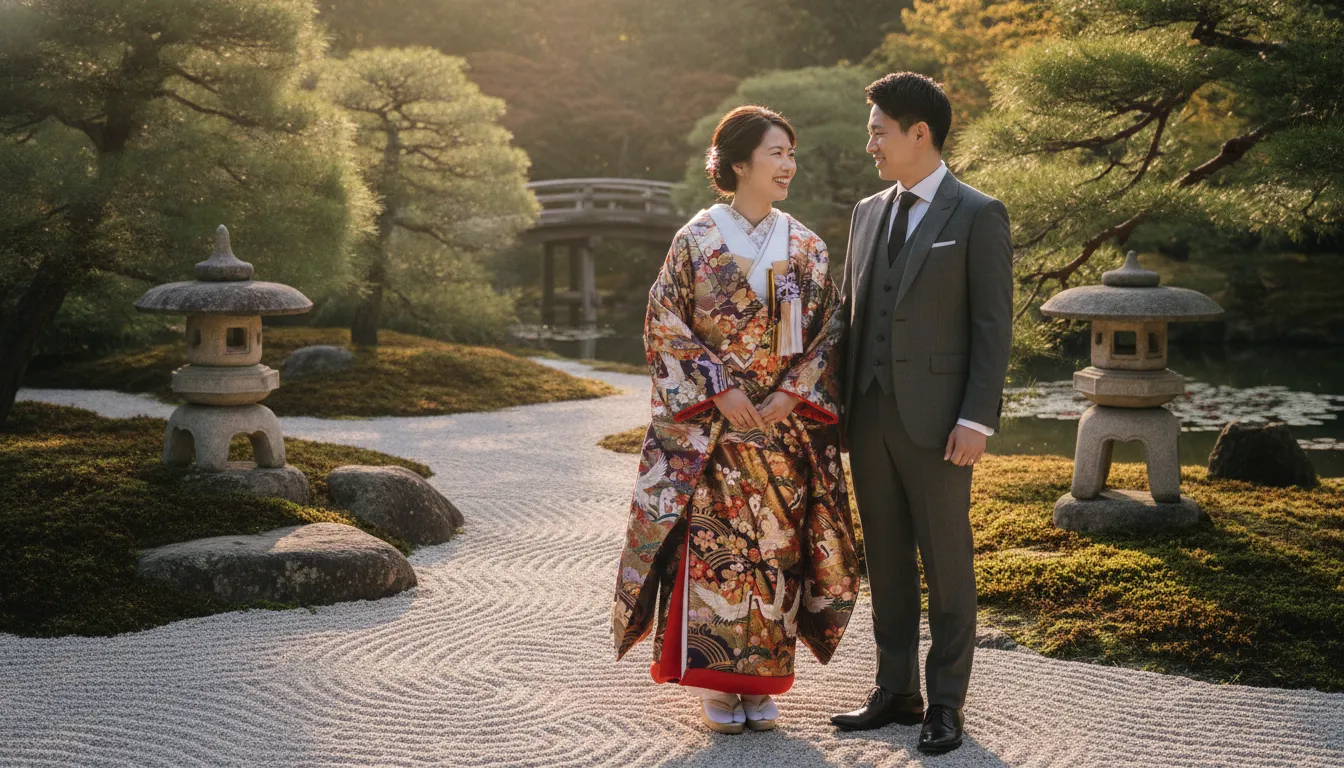
- Dress: Most Japanese weddings are either Shinto-style, where the couple wears traditional kimonos in a private ceremony, or “white” weddings, held in a Christian-style ceremony, often with Western-style wedding attire.
- Sake Sharing: Regardless of religious practices, most Japanese weddings include a cultural sake-sharing tradition, commonly called
san-san-kudo. Using three flat sake cups stacked on top of each other, the bride and groom each take three sips from the cups. Then, their parents also take sips, which strengthens the bond between the two families. - Gifts: There is usually no gift registry. Instead, guests are expected to give the newlyweds a
goshugi, which is a gift of money, typically presented in a special envelope. - Toasts: During the reception, or
hiroen, expect to hear many speeches. There might also be a slideshow or a video celebrating the couple’s journey. - Birds: It’s common to include cranes as a theme, perhaps as origami decorations on the tables for guests. The crane symbolizes a long and happy married life.
- Celebrating: Most Japanese weddings wait to play loud music and start dancing until after the reception is over and the
nijikai, or after-party, has begun. - Luck: Certain words are considered bad luck if spoken on the wedding day. It is thought that saying the words kaeru (meaning “to go home”) or modoru (meaning “to return”) could bring misfortune to the bride and groom.
- Takeaways: Guests should not leave empty-handed. Gift bags, known as
hikidemono, are often filled with small treats and souvenirs and are placed under their seats as a thank you for attending.
Summary
Planning your wedding in Japan will definitely require time, patience, and, of course, money. However, the experience of being in such an exotic location, surrounded by beautiful landscapes, enjoying amazing food, and taking part in rich traditions, will make it all worthwhile. For couples planning to spend part of their lives in Japan, exploring options for managing international connections, such as understanding how to keep your Australian number abroad or your German number, can be helpful for maintaining ties with family and friends.
Related reading
Sources
| # | Source | Website |
|---|---|---|
| 1 | U.S. Embassy and Consulate in Japan | jp.usembassy.gov |
| 2 | Australian Embassy of Japan | japan.embassy.gov.au |